
“Aren’t They All the Same?”: The Ignorant Myth of the Greek Islands
Athens might be the L.A. of Europe, but the true spirit of Greece doesn't begin until you leave the shore.

PIRAEUS PORT to PAROS — A former editor of mine, who—let’s just say—isn’t an evil person but is a deliberate neocon, was always incredulous:
“Why do you keep running to the Greek islands? Aren’t they all the same?”
Oh, the ripostes that thrown gauntlet invited. But ever the diplomat—you sort of have to be when you’re in somebody else’s employ—I replied along the lines of, “No, they are not.” To bolster my case for going digital nomad, island-style, for a while, I added something that many tourists do not realize.
The sea is as vital to Greece’s existence as a severely overinflated ego is to Donald Trump’s. There is not a single strand of the DNA of this country that is not either born of or, simply put, intertwined with the sea.
You don’t necessarily get a real sense of this if you just stick to Athens, which is, for better or for worse, the Los Angeles of Europe. Smog, sprawl, traffic. But L.A. could easily exist without the ocean. Athens—without the naval supremacy conferred upon it thanks to the shipbuilders of Piraeus in ancient times—could not.
That doesn’t mean everybody necessarily likes the sea.
“I don’t like the sea,” sniffed one of my hardened landlubber Athenian friends. “And Piraeus is ugly. And I don’t like boats.”
Well, Piraeus may not be St-Tropez, but it is a lot prettier than Pacoima. As for the aversion to boats, it’s a surprisingly widespread sentiment. In fact, at the aforementioned newspaper (air quotes accepted), protocols strictly forbade staffers from taking boats on the basis of the inherent riskiness of traveling on the water.
The promulgators of that rule obviously never had to take the Staten Island Ferry, or engage in the fist-to-fist gladiatorial combat that is driving in Athens rush-hour traffic (the sea looks pretty calm next to that).
Piraeus is one of the world’s great ports. There might be one or two in Europe that are larger, but none have the same grit or verve. Spanish ports are too far west, and Turkish ones lack its specific vantage, but Piraeus is truly at the center. Yes, there are some islands you can’t get to from here, such as Corfu or Zakynthos. But the Cycladic and Dodecanese islands, and the “world island,” Crete—all are within the orbit of this perennially underloved port.
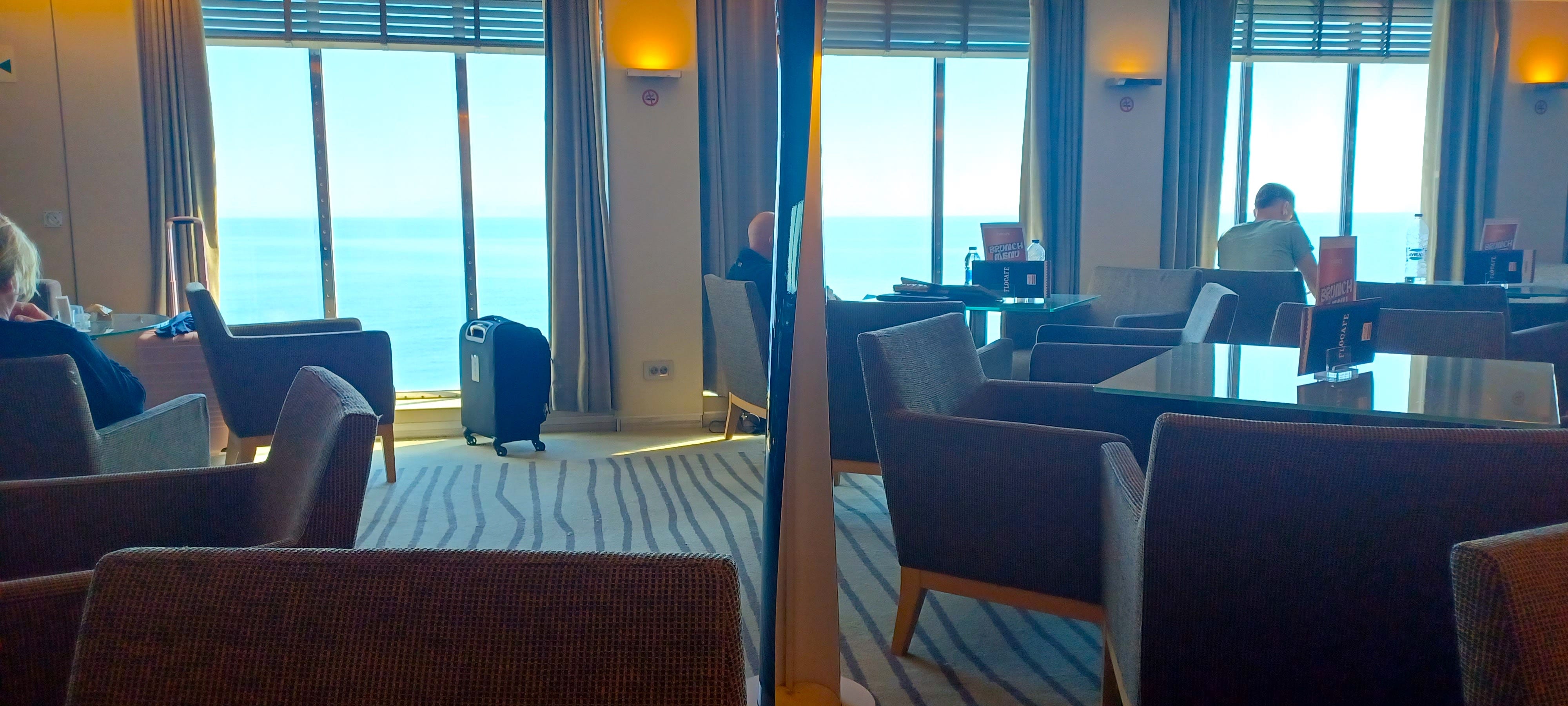
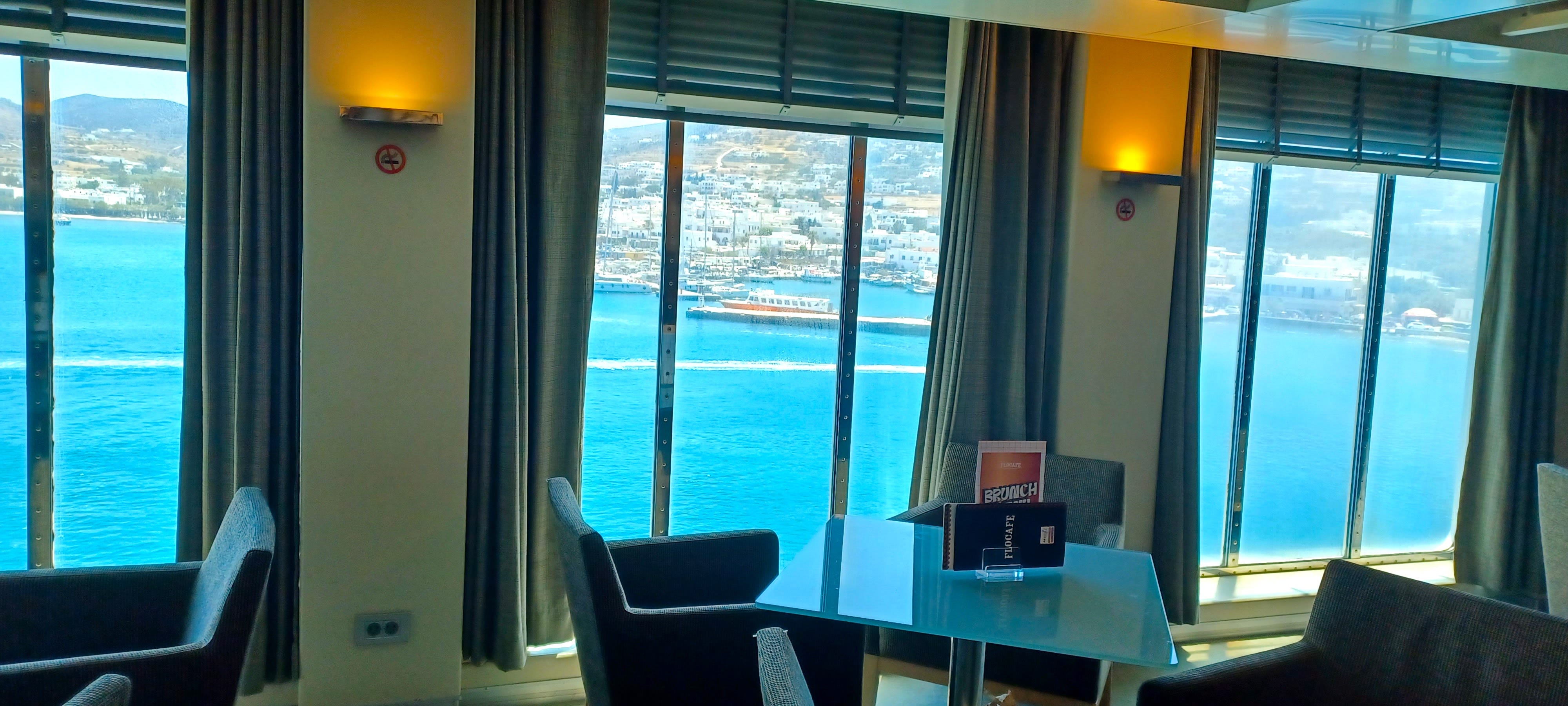
When your ferry pushes back from its berth—today, I’m aboard the Blue Star Delos and, lo and behold, the Wi-Fi actually works—that is when you feel the Greek spirit whooshing over you. The cares and worries that you have on land—and Lord knows you’ve got a lot of them—just recede as you realize that, at the end of the day, there isn’t a damn thing you can do about any of them. Moreover, they will all be there waiting for you when you return.
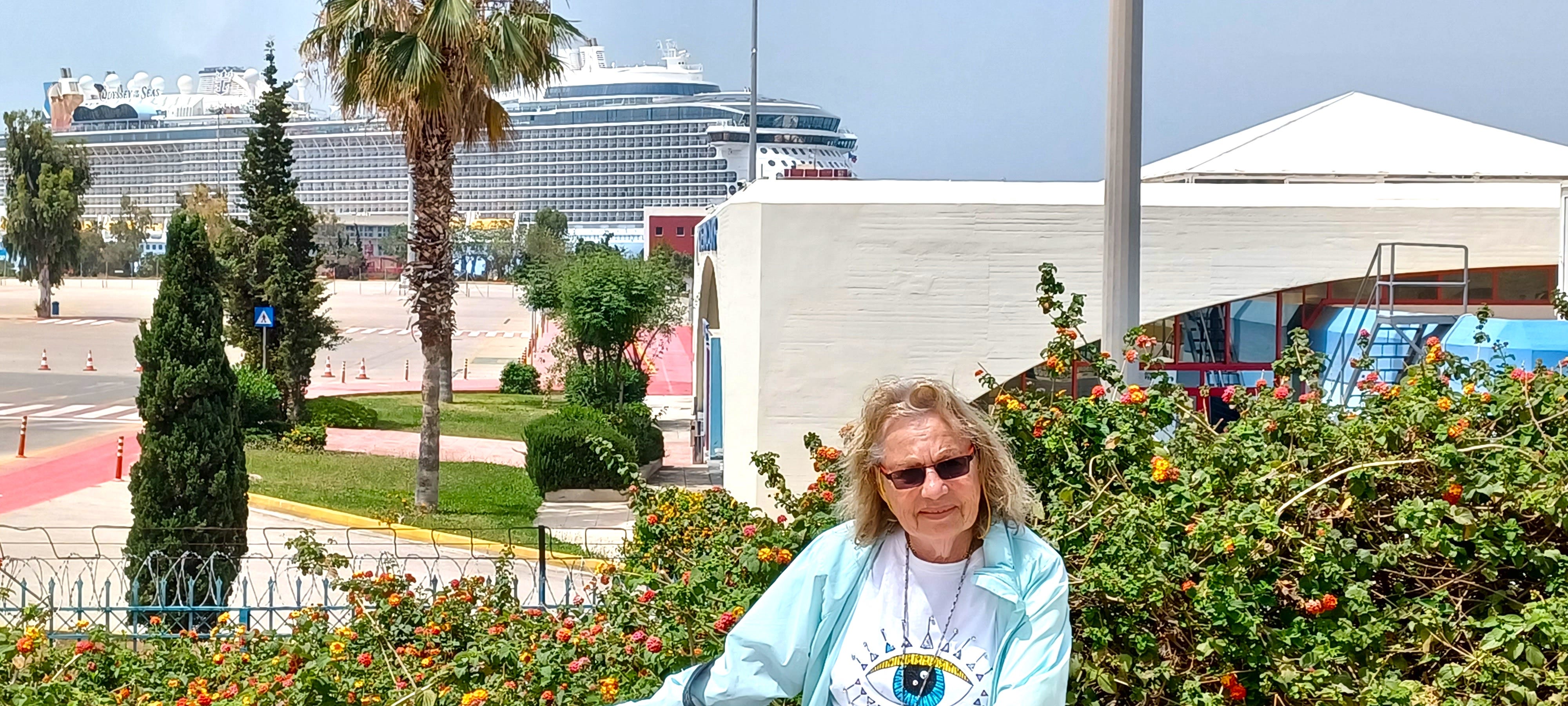
In the meantime, however… there you are gliding across the Aegean past the big ferries bound for Crete, the monster cruise ships (though Virgin Voyages’ Scarlet Lady actually looks doable), and the statue of the Lion of Piraeus—possibly the world’s coolest cat—guarding the port entrance with its ferocious stare. There’s the jagged edge of the Salamis coast, where the ancient Athenians, thanks to the maritime savvy of the denizens of Piraeus, beat back the Persians, altering the course of Western civilization.
Sailing silently across the Saronic Gulf, you see the modern fleets, where the triremes of yore are replaced by the tankers and cargo ships of today, alongside other island ferries and the yachts of Gulf and tech tycoons. All the while, the Greek sun blasts its rays onto the rippling blue surface.
Is all this dramatic? You bet.
And you’re barely five minutes into your journey.
Want to know more about Salamina? Visit here.
What to do in Piraeus? Here.