

Greece Trades Beach Inspectors for Drones: Because Nothing Says "Relaxing Summer" Like Orwellian Surveillance
The government replaces human jobs with eye-in-the-sky bureaucrats to ensure your €50 sunbed isn't three inches over its legal limit.

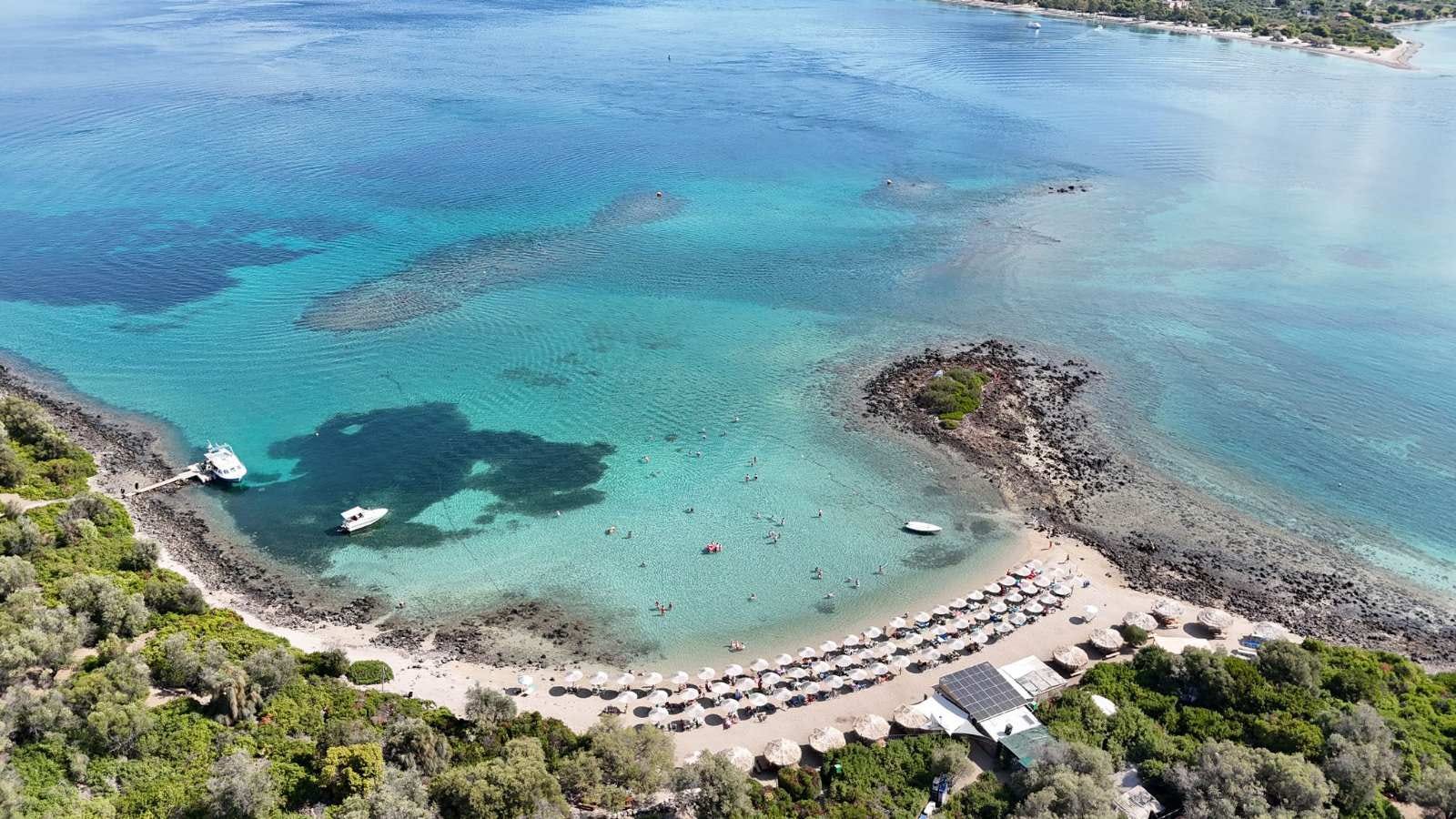
Ah, summer in the Mediterranean. If you spot a drone buzzing over your head at a beach in Lebanon or Israel, your survival instincts should kick in immediately—time to run for cover. But if you’re lounging on a Greek beach, that robotic hum in the sky isn’t a military strike; it’s just the Ministry of Finance checking to see if the beach bar snuck in three extra rows of overpriced sunbeds.
Still creepy-adjacent? You might say so. But instead of dodging shrapnel, local business owners are dodging massive fines, and human inspectors are dodging a paycheck.
According to a newly submitted multi-bill (but not a “big beautiful bill”) in the Greek Parliament, the days of a human inspector actually burying their toes in the sand to write up a violation are officially numbered. Welcome to the era of automated, eye-in-the-sky bureaucracy. Here is the breakdown of Greece’s new sci-fi approach to beach management:
The Sky Has Eyes: The Ministry of Finance is deploying drones, satellite imagery, and remote sensing systems. If a beach bar expands its umbrella empire or blocks off the free public sections of the coast, a camera from hundreds of feet up will catch it.
Sayonara, Human Inspectors: If the aerial photo clearly captures the violation, authorities don’t even need to send a human being to the scene anymore. They’ll just draft the report straight from the images and mail the fine. Efficiency? Sure. A blow to traditional, boots-on-the-ground public sector jobs? You bet.
The Tourist Hotspot Target: This tech will primarily target high-traffic beaches where locals and visitors file dozens of complaints every summer about sunbeds hogging every square inch of sand.
The Financial Hammer: The law isn’t messing around with the penalties. Illegally occupying a beach without a contract can trigger a fine up to four times the standard lease value, plus a five-year ban from ever getting a beach concession again. According to press reports, repeat offenders face a 10-day business shutdown, a sealed cash register, and a ten-year ban.
Pay to Play: For those blocking free public access to the sea, the fines range from €2,000 to €60,000. On the flip side, the bill does throw a bone to businesses, allowing temporary setups while paperwork is pending, and even letting past violators back into the game—provided they cough up their back-fines first.
Ultimately, while the law is technically trying to save the coastlines from corporate greed, it’s doing so by turning a relaxing day at the beach into a dystopian surveillance zone and replacing human jobs with algorithms. Progress, right?

?