

Secrets of Malta, revealed
Unveiling Malta’s veiled splendors

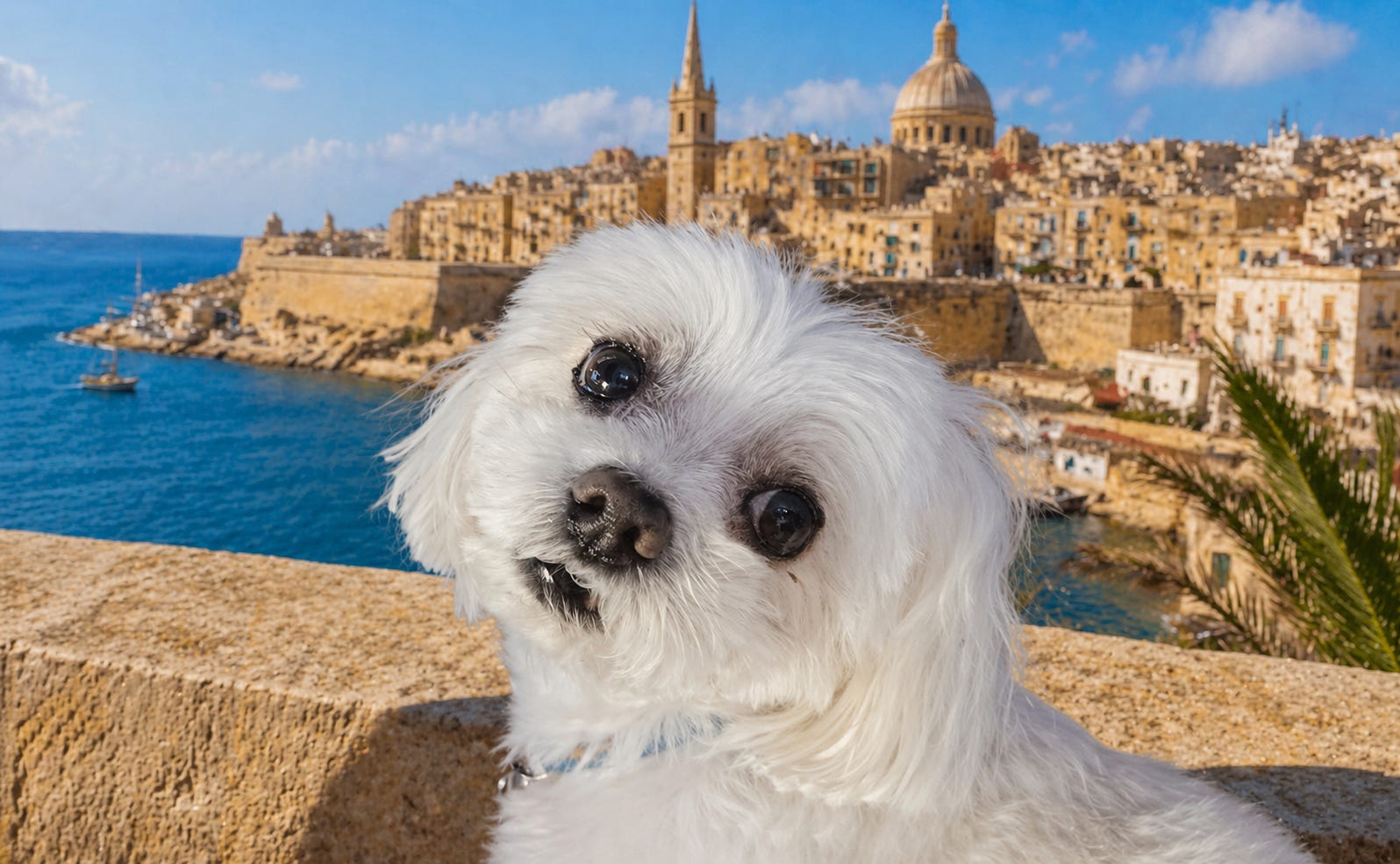
Malta, a sun-drenched archipelago anchored in the heart of the Mediterranean, is often celebrated for its azure waters and the fortress-city grandeur of Valletta (pictured above). Yet, beyond the postcard-perfect harbor views and the well-trodden limestone paths of Mdina lies a “secret” Malta—a subterranean, rural, and spiritual map that remains largely invisible to the hurried traveler. To truly understand Malta is to look past the honey-colored facade and delve into the layers of history that simmer beneath the surface.
The Subterranean Echoes
While the Ħal Saflieni Hypogeum is world-renowned, it is the lesser-known catacomb complexes that offer a more intimate connection to Malta’s early Christian and Roman past. In the quiet outskirts of Rabat, the Abbatija Tad-Dejr catacombs represent a masterclass in rock-cut architecture. Unlike the bustling tourist sites, these chambers offer a somber, silent atmosphere where one can trace the transition from pagan rituals to Christian devotion. The intricate carvings and “agape” tables—stone benches used for funeral banquets—whisper of a civilization that viewed the transition to the afterlife with profound architectural reverence.
The Geological Poetry of the South
Most visitors flock to the Blue Grotto, but those seeking true coastal solitude find their way to Għar Lapsi. Nestled beneath steep cliffs, this natural rocky cove serves as a gateway to a different kind of marine beauty. Here, the light filters through underwater caves in a kaleidoscope of emerald and turquoise, offering a cathedral-like experience for divers and swimmers.
Further along the southern coast lies Munxar Path, a stretch of white cliffs that provides a stark, chalky contrast to the typical golden limestone found elsewhere on the island. This is where the Maltese landscape feels most raw; the wind-swept plateaus and hidden inlets like Il-Ħofra l-Kbira offer a sanctuary for those looking to escape the digital hum of modern life.
The Spiritual Bastions of the Three Cities
Across the Grand Harbour, the “Three Cities” (Vittoriosa, Senglea, and Cospicua) hold secrets that even the most seasoned historians overlook. Within the narrow, winding deras (alleys) of Birgu, one can find the Oratory of the Onorati. Behind its unassuming doors lies a Baroque masterpiece of gilded wood and exquisite paintings, a private chapel that served the elite maritime fraternity.
Equally compelling is the Gardjola Gardens in Senglea. While the view of the harbor is spectacular, the secret lies in the symbolism of the “Gardjola” (the watchtower) itself. Carved into its stone are an eye, an ear, and a crane bird—symbols of guardianship and alertness that have watched over the island’s safety since the time of the Knights of St. John.
The Rural Heart: Gozo’s Hidden Valley
A short ferry ride away, the sister island of Gozo hides the Wied l-Għasri. This narrow, winding sea canyon snakes between high cliffs before reaching a tiny, pebbled beach. It is a geological marvel, where the sea has carved a serpentine path deep into the land. Nearby, the salt pans of Xwejni offer a glimpse into an ancient industry. These geometric pools, etched into the coastal rock, are still harvested by local families using methods that have remained virtually unchanged since the Roman era.
