
The Lisbon Deficit: Three Days in Europe’s Most Overhyped Playground
Yes Lisbon was cool—about 200, and then 20 years ago

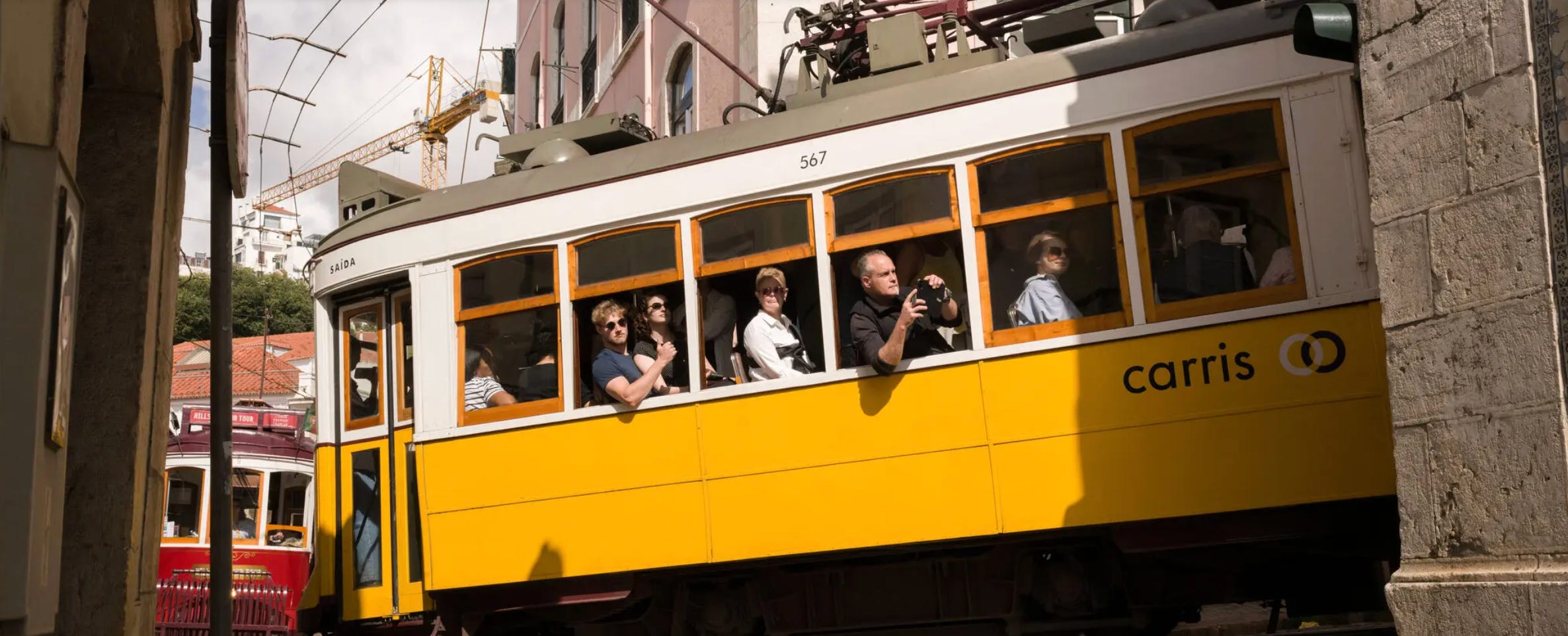
The paper of record recently treated us to yet another glowing, sun-drenched travelogue detailing the infinite charms of Lisbon. According to these glossy narratives, it is an idyllic haven of warm tile, historic tramways that sometimes crash, and transformative “inclusivity.” But step off the aging TAP plane and look beneath the pastel-hued filter, and the reality quickly sharpens into focus: Lisbon has become Europe’s premier overhyped, over-touristed, and aggressively overpriced theme park.
Give writer Alexander Lobrano some credit. His purple paean proves that he can do more than take a junket and bang out a couple paragraphs after (a few years ago Lobrano joined one such junket, inelegant thought the term may be, to Cyprus that I co-organized).
But not even a seasoned travel writer’s forgiving gaze can surmount the first obstacle to any romanticized Atlantic fantasia on this place, which is the sheer volume of humanity. The narrow, winding alleys of the Alfama are no longer populated by traditional communities, but rather choked by endless waves of cruise ship passengers marching in lockstep formation, blocking the sidewalks while hunting for the perfect photo opportunity. They are joined by a relentless influx of Californian retirees and hyper-connected “digital nomads.”
And with all due respect, the use of the term “creatives” is just cringe — or does the writer really think that among the Beverly Hills burnout brigades there are really some budding Picassos and (wait, can anyone actually name any Portuguese “creatives”? Does Vasco da Gama count?)
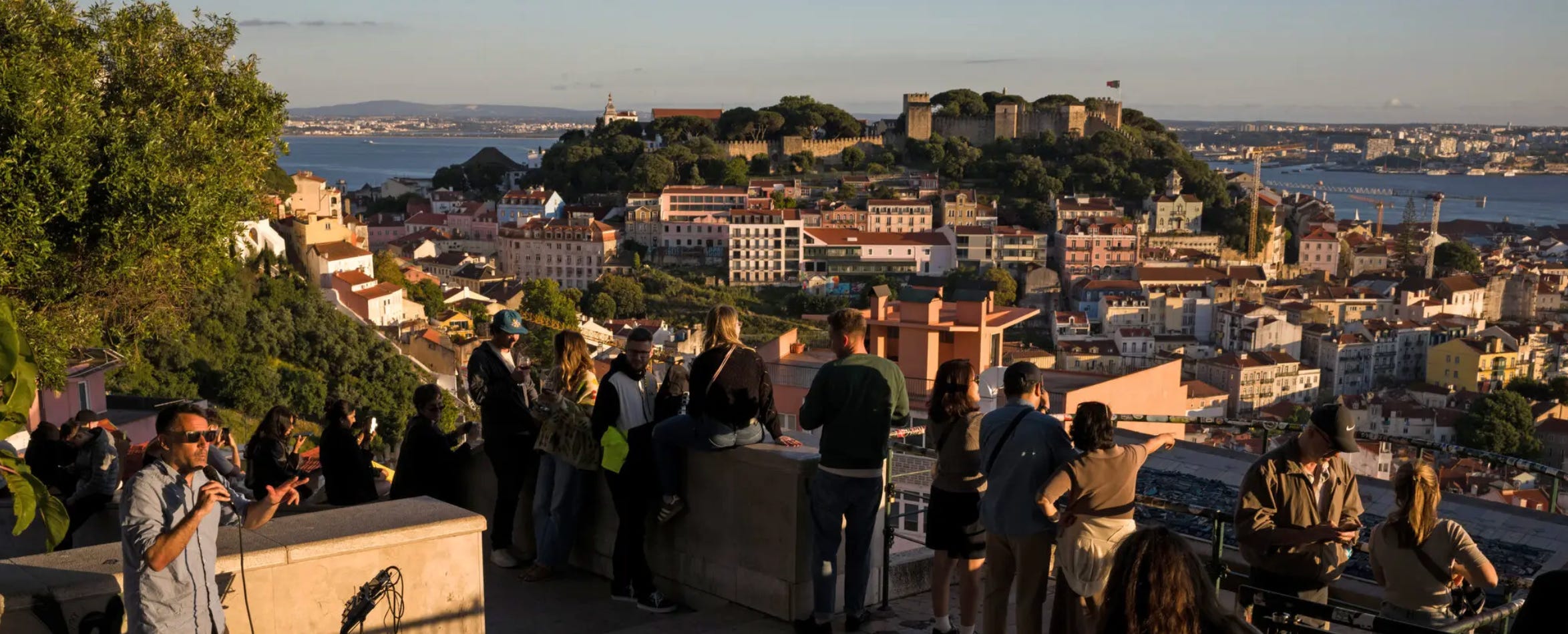
In a city once steeped in rich historical tradition, the local focal point of worship has rapidly shifted; the veneration of historical heritage has been unceremoniously replaced by the worship of selfies on Instagram, with every scenic miradouro viewpoint transformed into a crowded studio backdrop for aspiring influencers.
Then, there is the culinary reality. The international food press acts as though the local bakeries have unlocked cosmic secrets, but the truth is far more mundane: the city’s baked goods are deeply staid, repetitive, and profoundly overrated. Once you’ve had a couple of custard tarts, the novelty dissolves into a blur of blistered sugar and heavy pastry. The savory side of the menu offers little relief. The local culinary imagination appears entirely bound by a singular obsession, and seriously, there is only so much a kitchen can do with dried, salted codfish before the palate begs for variety.
Copacabana takes a pinch of courage. Sorry, but Portugal screams cop-out.
Culturally, Lisbon operates at an agonizingly sluggish tempo. The people move slow, stripping daily interactions of any kinetic energy. For travelers seeking a vibrant European spark, the contrast is stark; the entire scene completely lacks the effortless brilliance, sharp style, and intellectual electricity of Italy. Even the natural geography feels like a bait-and-switch. The sun might shine brightly on the hills, but the adjacent Atlantic Ocean remains fiercely, uninvitingly cold—a hostile body of water poorly suited for anyone hoping for a lush Mediterranean dip.
While Lisbon isn’t quite as dreary, gray, and one-dimensional as Porto further north, it still suffers from a severe deficit of long-term excitement. Three days navigating the steep, slick cobblestones amidst a sea of tech bros and cruise groups is more than enough to exhaust anyone’s patience. By hour seventy-two, the overwhelming urge is simply to scream, “Get me to Manchester.”
Finally, we must address the condescending praise of the city’s modern marketing. Enthusiastic writers love to lean on the buzzword that Portugal is uniquely “inclusive.” One has to wonder: does this mean a gay person can’t find a sense of belonging or community in France or Germany?
Get real. True inclusivity doesn’t mean transforming a historic capital into an expensive, monocultural playground tailored specifically for foreign wealth and social media feeds. It’s time to peel back the hype and see Lisbon for what it has become: a nicely tarted up but distinctly exhausting tourist trap.
But, you know, the place is not nearly as bad as Porto.

Yes, Lisbon is terrible. Let everyone know. Please don't come anymore.